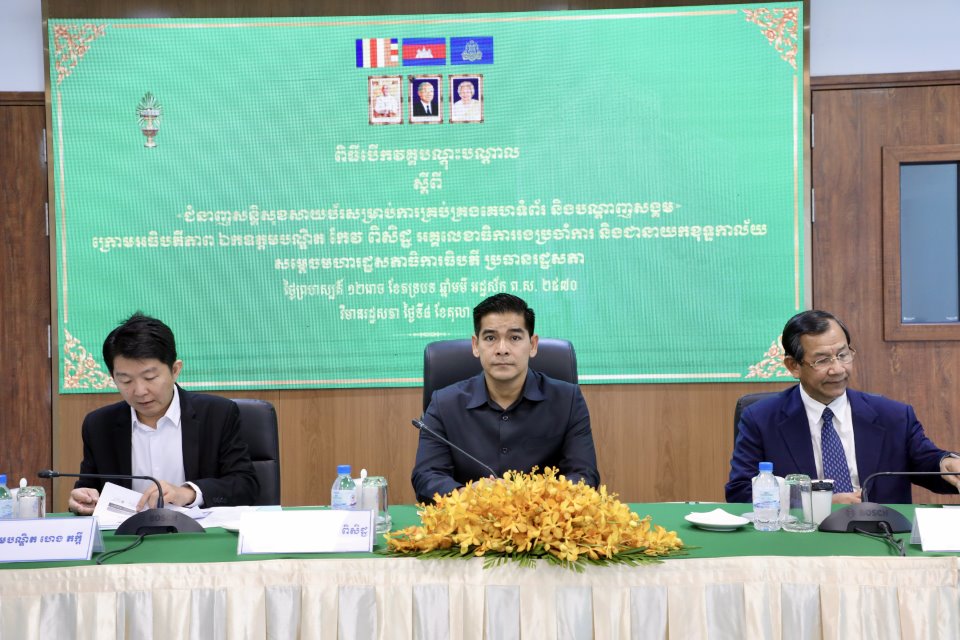
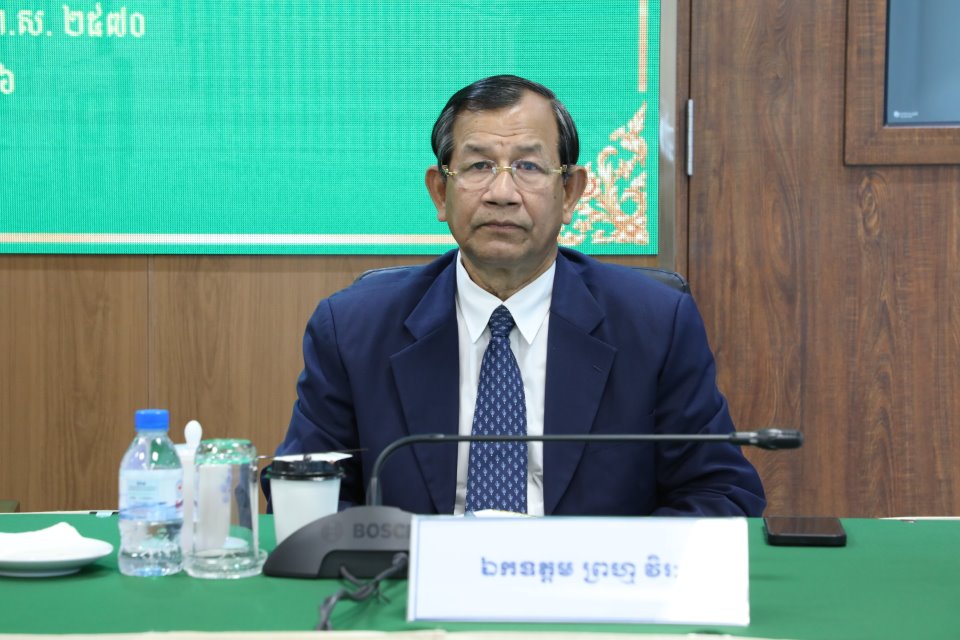
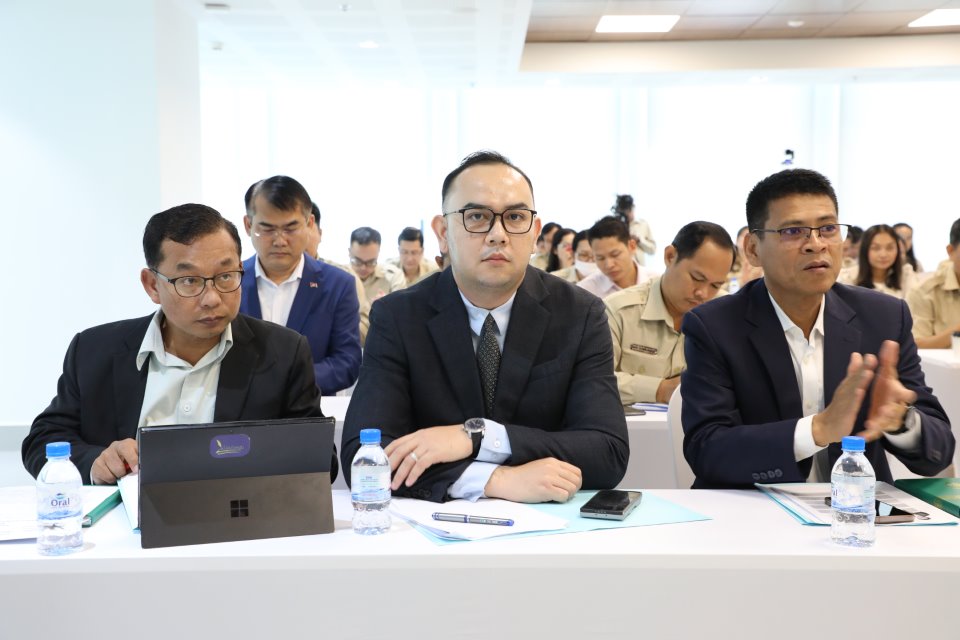
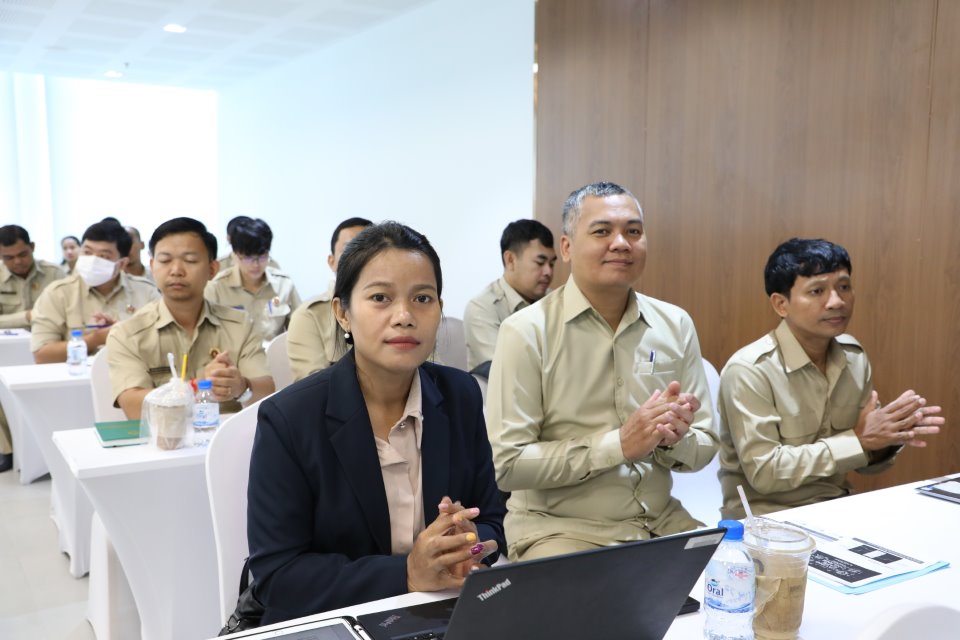
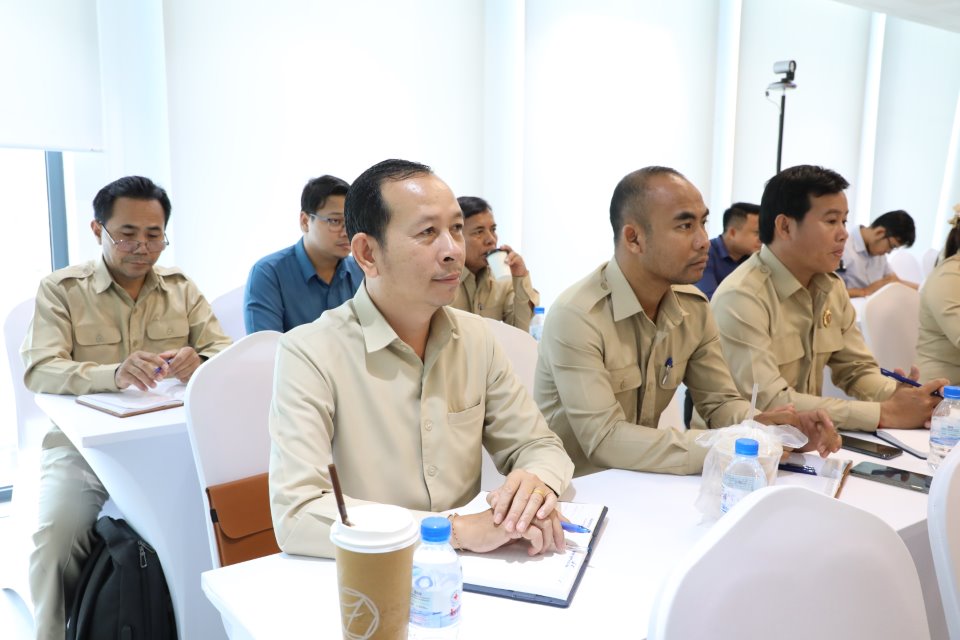
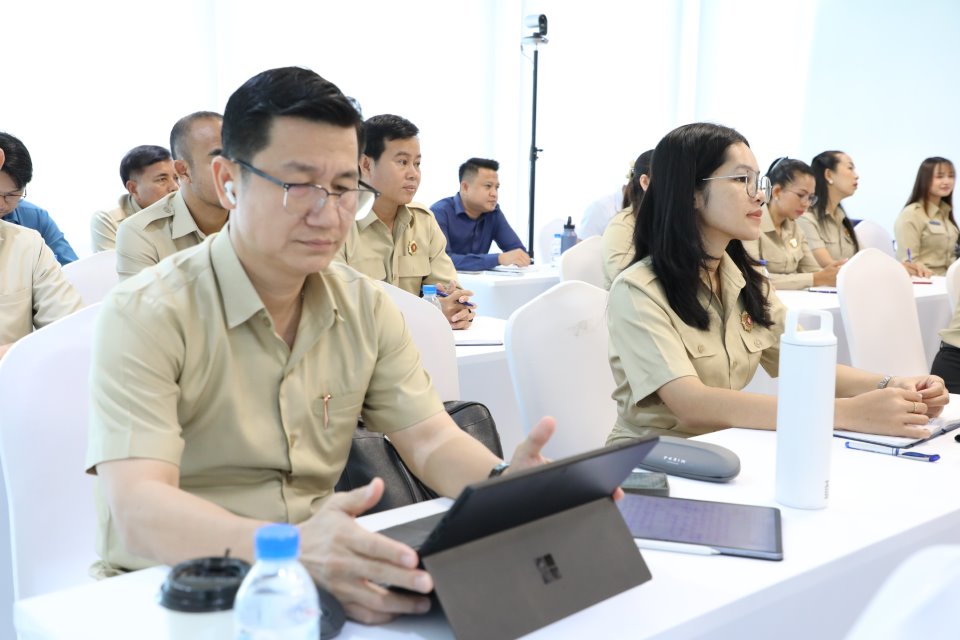
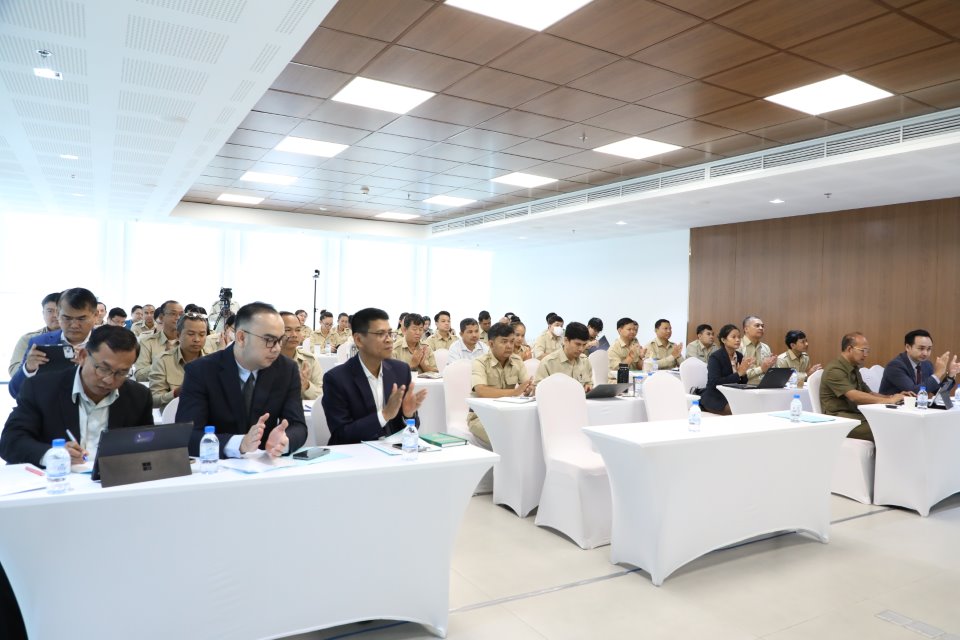
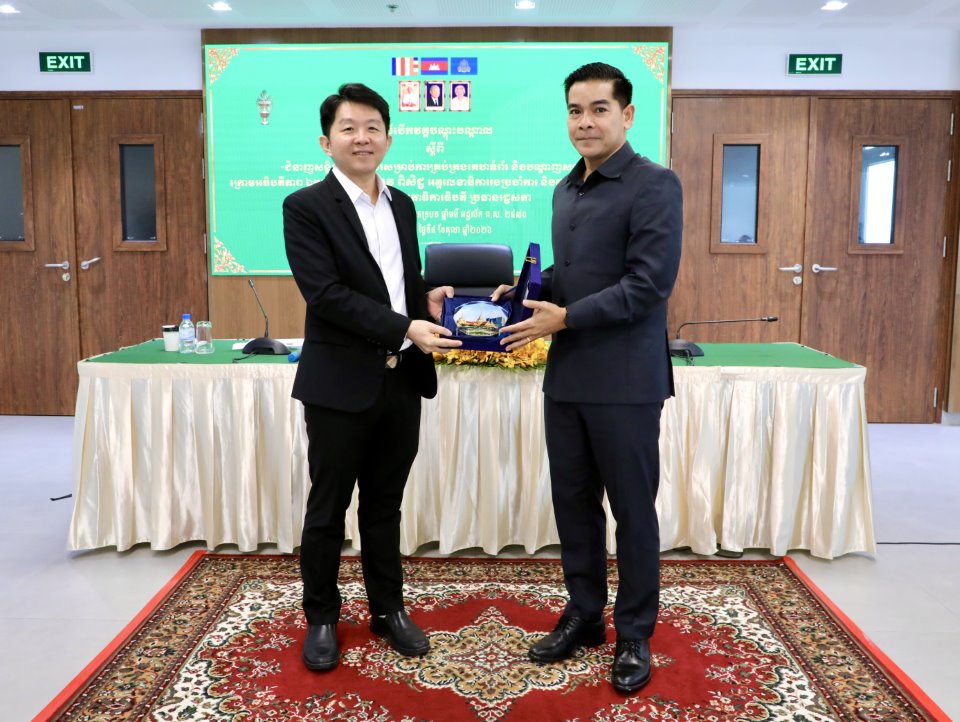
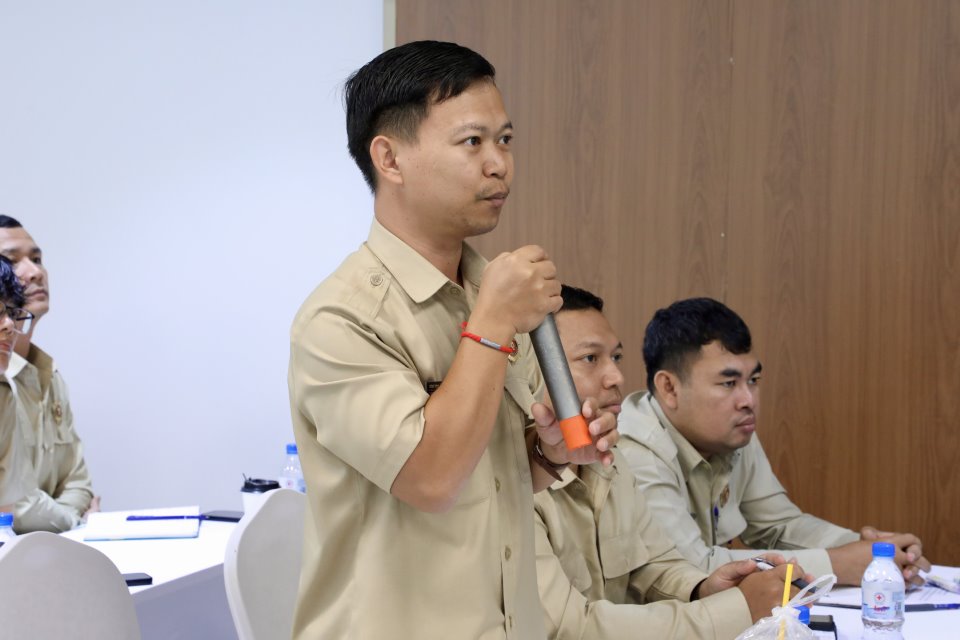
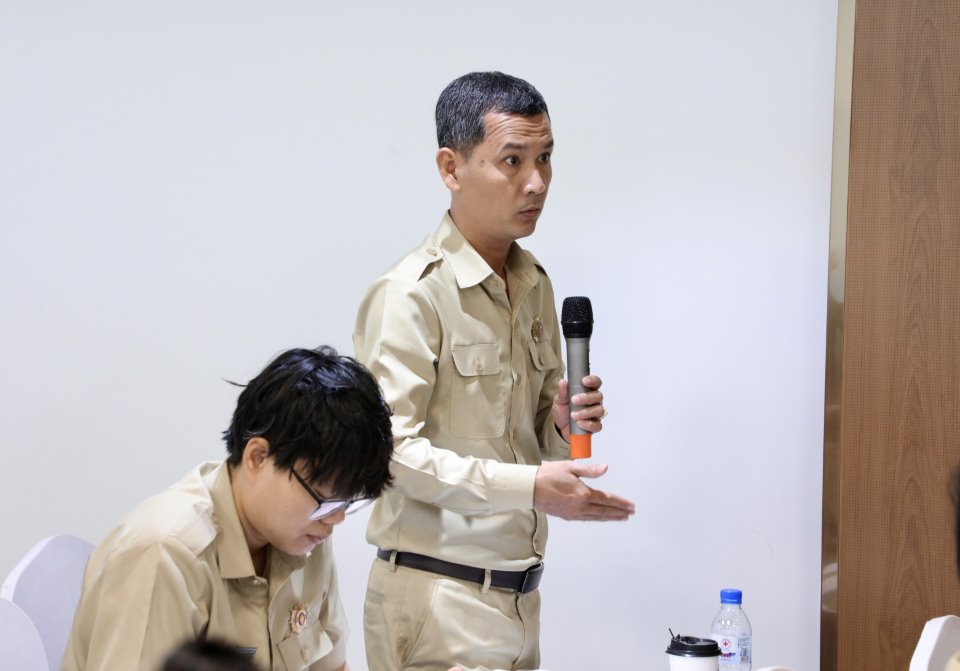
Phnom Penh, 8 October 2026 — H.E. Dr. Keo Piseth, Permanent Deputy Secretary-General of the National Assembly and Chief of Cabinet to the President of the National Assembly, on Thursday morning presided over the opening of the training course on “Cybersecurity for Website and Social Media Management” at the National Assembly Palace.
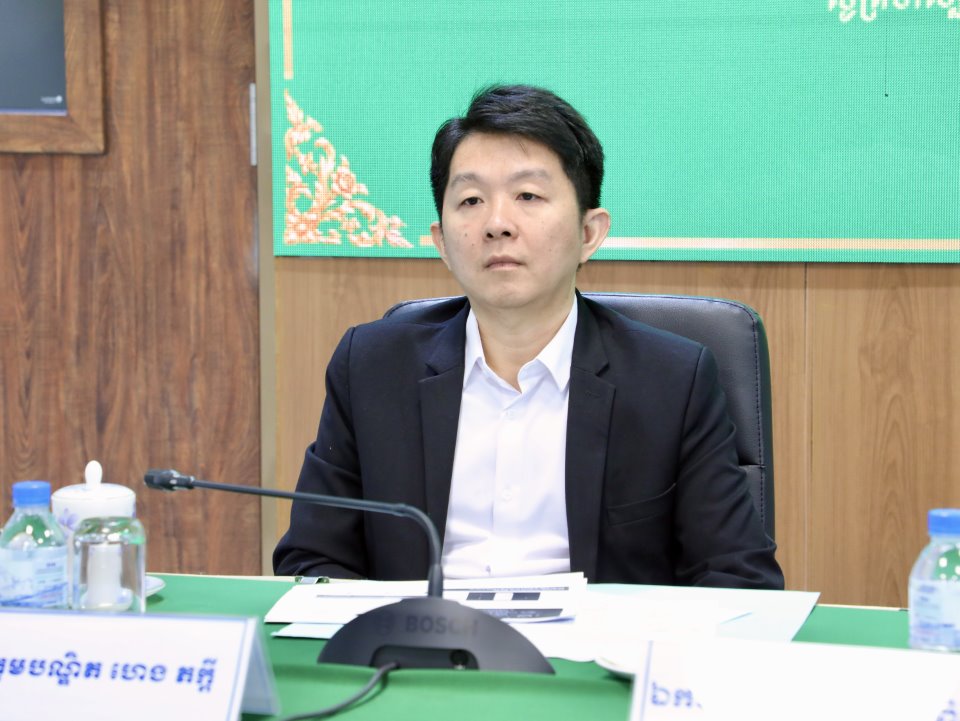
The training was delivered by H.E. Dr. Heng Pheakdey, Advisor to the President of the National Assembly of Cambodia, Founder and Chairman of the Mekong Center for Data Protection, and former Public Policy Manager for Cambodia and Laos at Meta.
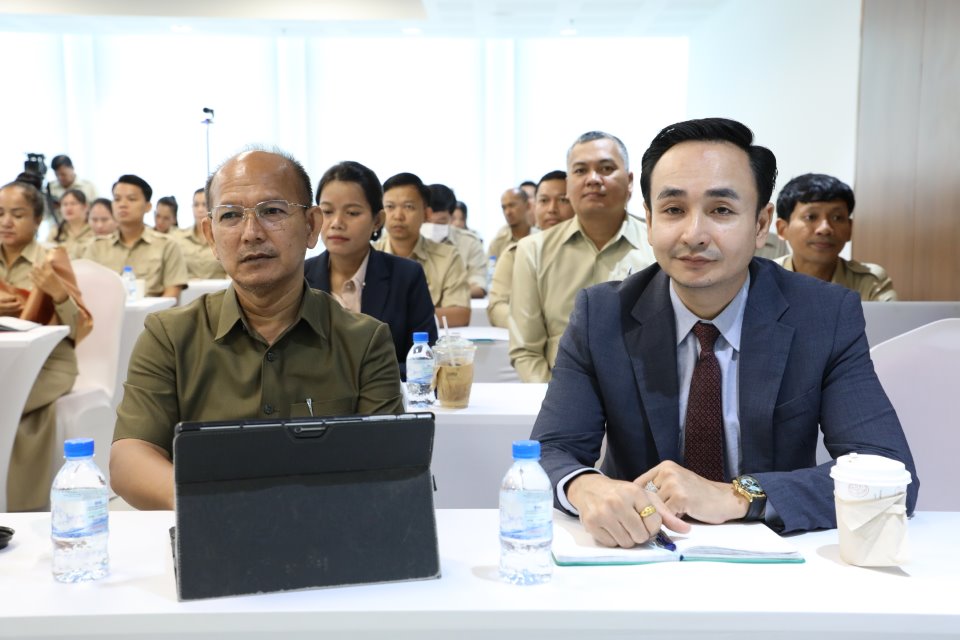
In his opening remarks, Dr. Keo Piseth thanked Dr. Heng Pheakdey for sharing his expertise and commended the participants for attending the course. He emphasized that cybersecurity knowledge is increasingly important as institutions and societies transition from traditional working methods to faster, more modern and transparent digital systems.
He said the course supports the implementation of the Royal Government’s Cambodia Digital Economy and Society Policy Framework 2021–2035 and Cambodia Digital Government Policy 2022–2035. Digital technologies enable public institutions to operate more efficiently, deliver services more quickly and make them more accessible to citizens.
“Cambodia’s digital transformation has accelerated significantly since the COVID-19 pandemic began in early 2020. In response, the National Assembly is preparing to introduce an e-Parliament system to strengthen its management and administrative work, with implementation expected to begin in late 2026 or early 2027,” Dr. Keo Piseth said.
The training reflects the initiative and continued support of Samdech Maha Rathsapheathika Thipadei Khuon Sudary, President of the National Assembly, for institutional modernization, reform, capacity-building and meritocracy within the Secretariat-General of the National Assembly.
“This course will help officials protect themselves and their institutions against online fraud, account theft, scam messages and other cybersecurity threats, particularly those spread through social media and messaging groups,” Dr. Keo Piseth added.
During his presentation, Dr. Heng Pheakdey outlined common online risks and practical measures for protecting Facebook and Telegram accounts from phishing, account theft, scams and unsafe links.
He also highlighted the need to balance online popularity with safety and privacy. “Online popularity should never come at the expense of safety and privacy. Before sharing information, users should consider who can see it, how it may be used and the risks it may create,” he said.
Dr. Heng Pheakdey advised participants to use strong, unique passwords, enable two-factor authentication, review active sessions and verify suspicious requests through another channel. He stressed that passwords, verification codes and recovery information must never be shared.
H.E. Dr. Keo Piseth recommended that the organizing committee conduct a survey to evaluate the results and effectiveness of the training courses conducted in 2026. The findings should be used to identify officials’ further capacity-building needs and prepare the training plan for 2027.